Raiffeisen-Asia-Opportunities-ESG-Aktien
The Raiffeisen Asia Opportunities ESG Equity Fund aims to capitalise on the high return potential associated with this region, while assuming the associated risks. The fund management focuses on five major themes in the emerging nations of Asia and the related investment opportunities. In doing so, it applies strict sustainability criteria and utilises its long-standing, proven and repeatedly award-winning sustainability investment concept.
Fund profile & investment focusRaiffeisen-Asia-Opportunities-ESG-Aktien
- This equity fund invests sustainably and focuses on the emerging markets of China, India, Taiwan, South Korea and the ASEAN countries (Indonesia, Malaysia, Thailand and the Philippines).
- It focuses on five major topics: technological change, climate change, health and social and demographic change.
- It only invests in companies that justify an investment according to ESG criteria.
- The associated opportunities for high returns for investors are accompanied by correspondingly increased risks, such as significant price fluctuations, exchange rate risks and the risk of declines in value or even capital losses. A long-term investment horizon (a minimum of 10 years) is strongly recommended, as is generally the case with equity investments.
Why do we consider these key themes to be particularly promising for Asian companies in the long term?
- Technological change: Asian companies have become a global market and/or technology leaders in many fields (e.g. digitalisation, big data, automation, smart cities) and new ones are constantly added.
- Climate change and environmental protection: renewable energies, circular economy, recycling, etc.: Asia still has a lot of catch-up to do with Europe on many technologies and, in general, on environmental protection and more sustainable economic activity. However, many Asian countries are putting a lot of effort into closing these gaps. This offers enormous opportunities for companies operating in these areas. At the same time, Asian companies are increasingly taking the lead in technology in these fields or are becoming the world's largest suppliers, with the corresponding cost advantages.
- Health: Unlike in Europe, the populations in many Asian countries are still growing. On average, life expectancy is on the rise there, too. With growing prosperity, modern "lifestyle diseases" are also becoming more prevalent. However, healthcare systems in many Asian countries are still in the process of being established or upgraded. This creates significant revenue and growth potential for companies in areas such as diagnostics, biotechnology, predictive analytics, fitness, and pharmaceuticals.
- Social and demographic change: In many Asian countries, the middle class is growing rapidly and with it the demand for consumer goods and services. This particularly affects areas such as tourism, consumer goods manufacturing, elderly care, education and training, and real estate.

Raiffeisen-Asia-Opportunities-ESG-Aktien: invest now!
Emerging Markets: Current market situation and outlook
Despite the Iran war and the associated blockade of the Strait of Hormuz, the equity markets and economies of Asia’s emerging markets have proved to be quite resilient overall. However, there are significant differences between individual countries and sectors. Countries that are heavily reliant on oil and gas imports from the Gulf region are experiencing greater economic stress, and their currencies, bond and equity markets are also subject to higher pressure.
- This applies, for example, to India. The fund’s management team continues to view India's long-term prospects as very promising, but is somewhat cautious in the short to medium term and currently favours shares in small and medium-sized Indian companies.
- South Korea is also feeling the effects of the shortage and rising costs of oil and gas supplies, even though this is not reflected in the country's equity market index. There, booming chip manufacturers such as Samsung and SK Hynix dominate the picture. The fact that companies benefiting heavily from massive investment in artificial intelligence currently top the performance rankings, thereby overshadowing the significantly less buoyant share price performance of many other sectors and companies, is a global phenomenon and can also be observed in China, for example.
- In China, many companies continue to suffer from the fallout of the real estate crisis, as well as from sluggish domestic consumption and low profitability. In the technology sector, particularly in microchip manufacturing and related companies, businesses are performing significantly better, which is why these sectors are currently favoured by the fund's management.
The current crisis surrounding Iran and the Strait of Hormuz will do little to impede Asia's ongoing secular rise. In the short and medium term, however, developments in the Middle Est are weighing on the Asian economies, and the longer the blockade of trade routes persists – which, incidentally, also affects other essential goods such as fertilisers or key components for the chemical industry – the greater the impact will be. Conversely, a swift resolution of the conflict in the Middle East could provide fresh positive impetus.
ESG criteria for Asian companies
Companies in Asia are also increasingly addressing ESG issues, both on their own initiative and due to regulatory requirements in many of their global sales markets. Their growing economic strength also allows them to invest more in this area. This applies, for example, to higher environmental standards, social benefits, equality, working conditions and improved corporate governance.
For many Asian companies, it is also becoming increasingly important to conduct their business in a more responsible manner in order to strengthen their competitive positions and their long-term viability and to maintain access to certain markets, sources of financing and customer groups.
By applying ESG criteria when selecting stocks, investors can support and foster this transition to greater sustainability. This is also one of the objectives of the Raiffeisen Asia Opportunities ESG Equity Fund.
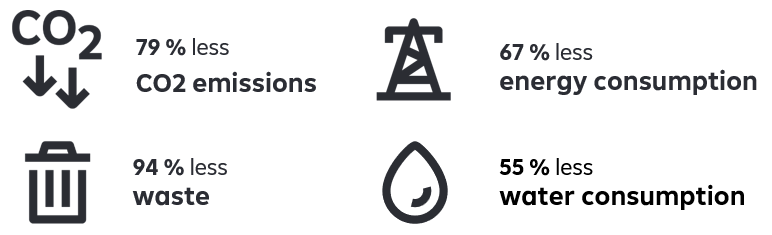
Impact assessment
What you should pay particular attention to
- Investments in the fund are subject to the risks typical of equity markets (e.g. price fluctuations, currency risks). These naturally also apply to companies, that justify an investment according to ESG criteria.
- In addition to the risks generally associated with equity investments, this fund also involves increased regulatory and political risks, an often even lower level of transparency at many companies and a tendency towards less legal certainty in the respective countries.
Raiffeisen-Asia-Opportunities-ESG-Aktien exhibits elevated volatility, meaning that unit prices can move significantly higher or lower in short periods of time, and it is not possible to rule out loss of capital.